
Type-1 Diabetes: Quest for Cure
An autoimmune disease that strikes early in life due to the destruction of insulin-producing beta cells by autoreactive cells.

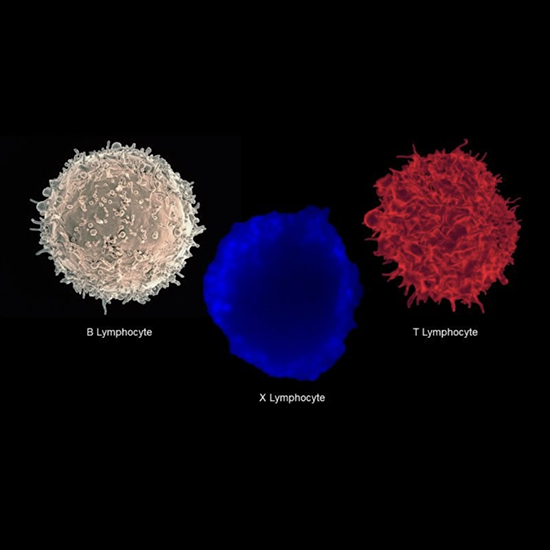
Autoimmune diseases affect millions worldwide and are driven by complex immune dysfunctions that remain poorly understood. Despite significant advances in understanding autoreactive T cells, cures remain elusive, and the burden of these diseases continues to grow. At the heart of this challenge lie paradoxes that current models cannot fully explain. We believe a fundamental piece is missing—without identifying it, developing specific cures will remain difficult. Our research focuses on a novel immune cell population—Dual Expressers (DEs)—which we believe is the missing link, holding the key to closing these knowledge gaps and unlocking new therapeutic avenues.
Learn More
We aim to redefine autoimmune mechanisms and accelerate the path to lasting cures. We achieve this by elucidating the role of DEs in disease and leveraging this knowledge to develop specific, precise therapies that preserve the immune system. Our goal is to move beyond broad immunosuppression toward cures that truly heal. Our work focuses on applying these concepts to three autoimmune diseases: Type 1 Diabetes (T1D), Multiple Sclerosis (MS), and Graves’ Disease
Learn MoreType-1 Diabetes: Quest for Cure
An autoimmune disease that strikes early in life due to the destruction of insulin-producing beta cells by autoreactive cells.
Graves Disease: The Unsolved Mystery
An autoimmune trigger of hyperthyroidism, arising from thyroid-stimulating immunoglobulins (TSI) that bind the TSH receptor (TSHR), relentlessly stimulating thyroid cells to overproduce hormones.
Revealing Hidden Driver(s) of Multiple Sclerosis
Multiple Sclerosis (MS) is a chronic autoimmune disorder of the central nervous system (CNS), characterized by inflammation, demyelination, and axonal degeneration.
 Johns Hopkins Medicine logo